All Categories
Featured
Table of Contents
- – Predictive Financial Strategies for Storefront...
- – Integration of Advanced Reporting Systems
- – Scenario Modeling in the Current Economic Climate
- – Adapting to Labor Costs and Payroll Automation
- – The Impact of Digital Currencies and Instant ...
- – Future-Proofing Through Operational Efficiency
- – Maintaining the Human Element in an Automated...
Predictive Financial Strategies for Storefronts in Modern Business Hubs
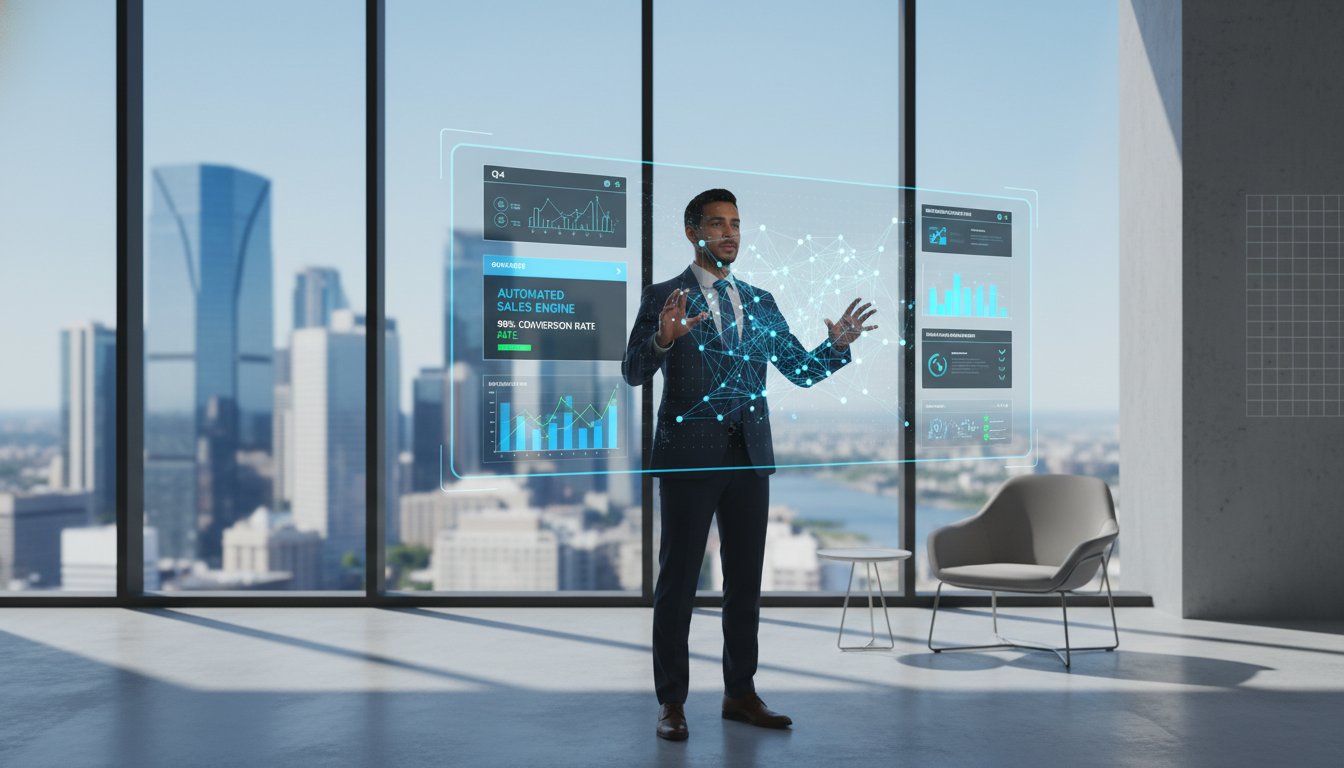
The average retail storefront in 2026 operates on margins that require millisecond precision. Static spreadsheets have become relics of a slower era, replaced by systems that forecast liquidity with startling accuracy. Business owners no longer look at what happened last month to decide what to do tomorrow. Instead, they rely on predictive cash flow modeling to simulate the next six months of operation. This shift from reactive to proactive management defines the current economic environment, especially for those navigating the complexities of the local region.
Liquid assets are oxygen for a growing business. In 2026, the speed of commerce has accelerated to a point where a three-day delay in accounts receivable can stall an entire supply chain. Modern storefronts are moving away from manual entry, opting for automated feeds that pull data from point-of-sale systems, bank accounts, and even social sentiment trackers. This data-heavy approach allows for a level of financial sustainability that was once reserved for massive corporations. Smaller enterprises now have access to sophisticated specialized budgeting methods that provide clear visibility into future bank balances.

Success in this environment often depends on specialized Localization Tools. By removing human error from the equation, these systems identify patterns that a manual audit might miss. For instance, a boutique in an urban center might notice that utility costs spike exactly forty-eight hours after a local heatwave is predicted, allowing the automated system to set aside extra cash before the bill even arrives. This type of micro-forecasting ensures that the business remains solvent during seasonal fluctuations or unexpected market shifts.
Integration of Advanced Reporting Systems
Operational automation has reached a maturity point where it handles the heavy lifting of daily bookkeeping. In 2026, the goal is not just to record transactions but to understand the velocity of money. Automated systems categorize expenses in real-time, assigning them to specific projects or departments without human intervention. This allows owners to see the true cost of their services as they happen. Retailers are increasingly investing in Data-Driven Campaign Optimization Tools to avoid liquidity gaps that often plague rapidly expanding ventures.
The role of the store manager has changed as a result. Instead of spending Sunday nights squinting at receipts, they review dashboards that highlight potential shortfalls weeks in advance. If the predictive model shows a dip in cash reserves due to a scheduled inventory restock, the system can automatically suggest a temporary adjustment in marketing spend or a shift in staff scheduling. This level of control keeps the business lean and responsive to the needs of the surrounding community.
Financial sustainability is not just about having money in the bank. It is about the ability to maintain operations during a crisis. The events of the past few years have taught businesses in the area that supply chains are fragile. Predictive modeling allows a shop to run "what-if" scenarios. What if the cost of raw materials increases by twelve percent? What if shipping times double? By running these simulations, a business can build a buffer that is based on data rather than guesswork. Using modern fiscal management provides the structural support needed to survive these variables.
Scenario Modeling in the Current Economic Climate
The economic climate of 2026 is defined by volatility and rapid technological change. Consumers are more fickle, and their spending habits shift based on digital trends that can emerge overnight. For storefronts, this means the old model of "buying for the season" is dead. Inventory must be as fluid as cash. Automated systems now link directly to supplier databases, adjusting order volumes based on predicted demand. If the model shows a decline in interest for a specific product line, it automatically scales back the next order, preserving cash for more profitable ventures.
For storefronts prioritizing Corporate Cards in 2026, the ability to sync bank feeds with inventory trackers is mandatory. This integration prevents the common trap of being "asset rich but cash poor." A business might have a warehouse full of valuable goods, but if it cannot pay its rent because that capital is tied up in slow-moving stock, the business fails. Predictive modeling identifies these bottlenecks before they become fatal, suggesting clearance sales or vendor returns to keep cash moving through the system.
Automation also extends to the customer side of the ledger. Smart invoicing systems in 2026 track the payment habits of individual clients. If a particular vendor has a history of paying late during the third quarter, the model adjusts the projected cash flow for that period accordingly. It might even trigger an automated discount for early payment to ensure the funds arrive when the business needs them most. This granular approach to financial oversight ensures that no detail is overlooked.
Adapting to Labor Costs and Payroll Automation
Labor remains the largest expense for most storefronts. In 2026, payroll is no longer a fixed cost but a variable one that fluctuates with store traffic and sales volume. Predictive scheduling tools analyze historical foot traffic data to determine exactly how many employees are needed at any given time. This prevents overstaffing during quiet hours and ensures enough coverage during peak times. When these tools are linked to cash flow models, they provide a real-time look at how labor costs are affecting the bottom line in local markets.
Automated payroll systems also handle tax compliance and benefits administration, which have become increasingly complex. In various jurisdictions, new regulations regarding worker classifications and digital currency payments require constant monitoring. By automating these processes, storefront owners reduce the risk of costly fines and audits. This focus on compliance is a core component of long-term sustainability, allowing the business to focus on growth rather than paperwork.
The Impact of Digital Currencies and Instant Settlement
One of the biggest shifts in 2026 is the widespread adoption of instant settlement protocols. The days of waiting three to five business days for a credit card payment to clear are over. Most transactions now settle in seconds, providing a much clearer picture of daily cash positions. However, this also means that money leaves the account just as quickly. Predictive models must account for this increased velocity. A business in any commercial zone that ignores the speed of digital transactions will quickly find itself out of sync with its actual balance.
Managing multiple digital wallets and traditional bank accounts requires a unified dashboard. These dashboards use integrated accounting platforms to consolidate all holdings into a single "source of truth." This prevents the fragmentation of data that often leads to overspending. When an owner can see their total liquidity across all platforms in real-time, they make better decisions about capital expenditures and debt service.
Future-Proofing Through Operational Efficiency
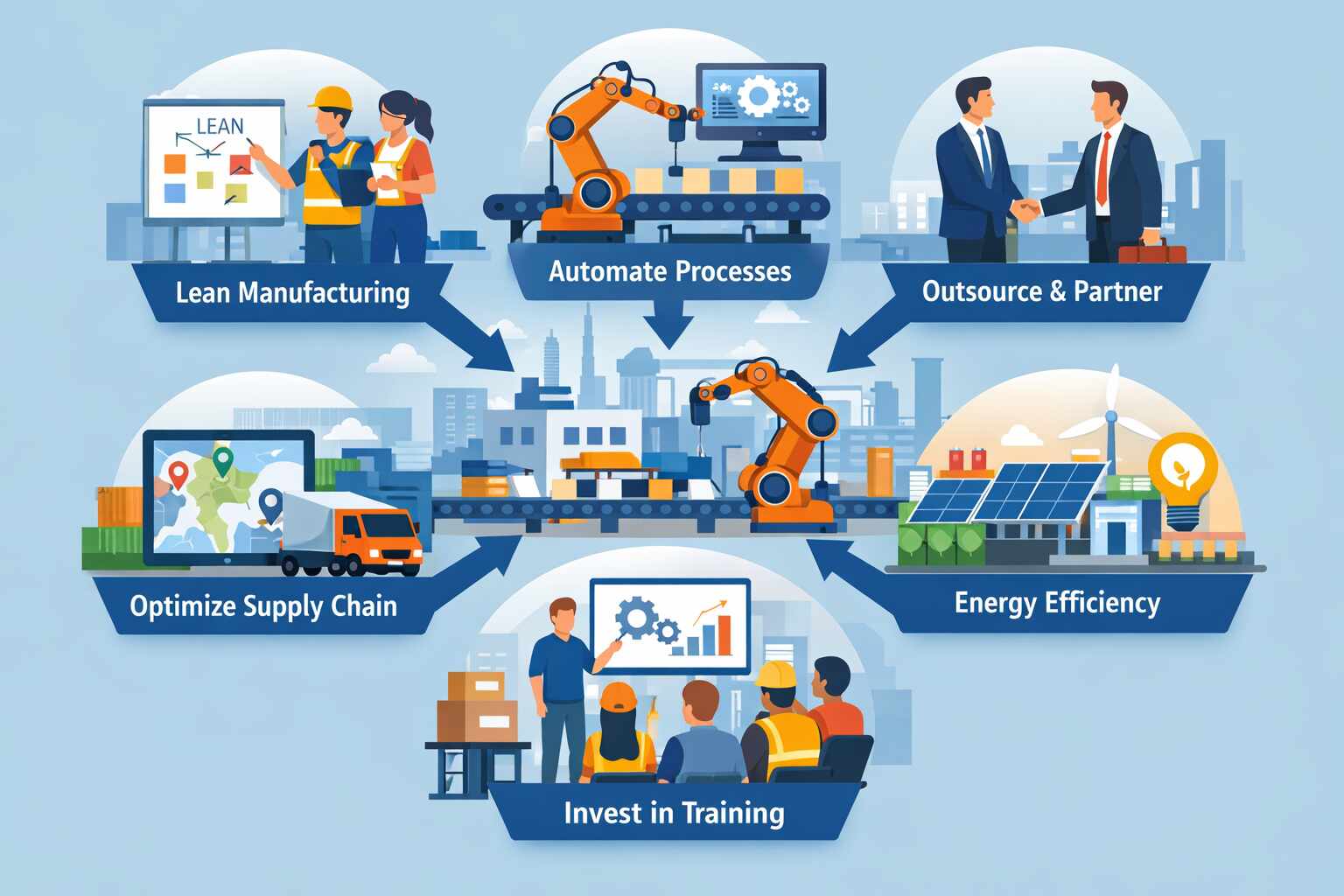
Efficiency in 2026 is about more than just cutting costs. It is about maximizing the output of every dollar spent. Storefronts are using machine learning to optimize everything from energy usage to waste management. Sensors in a physical shop can detect when foot traffic is low and automatically dim lights or adjust the climate control. While these savings might seem small, they add up to thousands of dollars over a year. When integrated into a cash flow model, these savings are reflected in the projected profit margins for the next quarter.
Sustainability also involves ethical considerations that are now tied to financial performance. Consumers in 2026 prefer to shop with brands that demonstrate fiscal and environmental responsibility. Storefronts in the region that use automated tracking to prove their sustainability claims often see higher customer loyalty. This leads to more predictable revenue streams, which in turn makes cash flow modeling more accurate. It is a cycle that rewards well-managed businesses with both stability and growth.
The transition to these automated systems is not without its hurdles. It requires a mindset shift from viewing finance as a back-office function to seeing it as a core part of the customer experience. A well-funded, stable business can provide better service, higher-quality products, and a better environment for its employees. By using professional financial guidance, storefront owners can navigate the transition from manual processes to a fully automated, predictive model.
Maintaining the Human Element in an Automated World
While the data provides the map, the business owner still steers the ship. Automation handles the repetitive tasks, but it cannot replace the intuition of a seasoned entrepreneur. The models might suggest a course of action based on historical patterns, but they cannot account for a new competitor opening across the street or a sudden change in local zoning laws in the area. The most successful businesses in 2026 use automated insights as a baseline, then layer their own expertise on top to make final decisions.
This hybrid approach ensures that the business remains agile. If the data shows a sudden drop in customer retention, the owner can investigate the cause — perhaps a decline in service quality or a faulty product batch — and take corrective action before the cash flow model starts showing red ink. Automation provides the "what" and the "when," but the owner still provides the "why." This balance between technology and human insight is what keeps storefronts in the surrounding territory thriving in a competitive market.
As 2026 progresses, the tools available for predictive modeling will only become more refined. We are seeing the emergence of collective data sharing, where non-competing businesses in the district share anonymized trend data to help each other forecast more accurately. This collaborative approach to financial health represents a new chapter in the retail story, one where data is a shared resource for community stability. Storefronts that embrace these changes will find themselves well-positioned for whatever the next decade brings.
The focus remains on building a resilient foundation. By automating the mundane and predicting the uncertain, business owners can spend more time on what they actually love — creating value for their customers. The financial tools of 2026 are not just about numbers; they are about freedom. The freedom to grow without the constant fear of a cash crunch, and the freedom to plan for a future that is grounded in hard data. Whether it is through high-tech fiscal tools, the path to success is clearer than it has ever been.

Table of Contents
- – Predictive Financial Strategies for Storefront...
- – Integration of Advanced Reporting Systems
- – Scenario Modeling in the Current Economic Climate
- – Adapting to Labor Costs and Payroll Automation
- – The Impact of Digital Currencies and Instant ...
- – Future-Proofing Through Operational Efficiency
- – Maintaining the Human Element in an Automated...
Latest Posts
Mastering the Art of Lean E-commerce Growth and Scaling
How Modern Capital Fuels Automated Business Growth
Growing Your Bottom Line With Efficient Capital
Latest Posts
Mastering the Art of Lean E-commerce Growth and Scaling
How Modern Capital Fuels Automated Business Growth
Growing Your Bottom Line With Efficient Capital